
When news spread about a recent merger between two regional land-survey firms, most people didn’t think about how it might affect an alta survey in a place like Coeur d’Alene. It sounded like a headline meant for the business pages, not something that could influence buyers, lenders, or developers. However, changes inside the surveying industry often ripple into smaller markets long before anyone notices. And when a merger increases staff, tools, or coverage areas, it can quietly reshape how fast local projects move.
Coeur d’Alene is growing fast. New neighborhoods, commercial projects, and investment properties show up every year. As this growth continues, the demand for ALTA Surveys rises too. But smaller cities don’t always have enough surveyors trained to handle ALTA-level work. That’s why industry shifts can make a real difference here.
Why Smaller Markets Often Struggle With ALTA Survey Access
Getting an ALTA Survey in a major city is usually easier. Survey firms there have larger teams, more vehicles, and more specialized staff. In smaller markets, however, the number of available surveyors drops quickly. A handful of teams may handle an entire region, and their calendars fill months in advance.
Travel adds another layer. Survey crews often cover long distances to reach rural properties, which reduces how many jobs they can take in a week. During busy months, an ALTA Survey that normally takes two weeks can suddenly take six. For someone preparing to close on a property, that delay becomes stressful fast.
This is why mergers matter. When companies combine, they often pool staff, expand their service areas, and upgrade their equipment. That shift can increase survey availability in places that struggled with long wait times.
How a Survey Firm Merger Can Change the Local Landscape
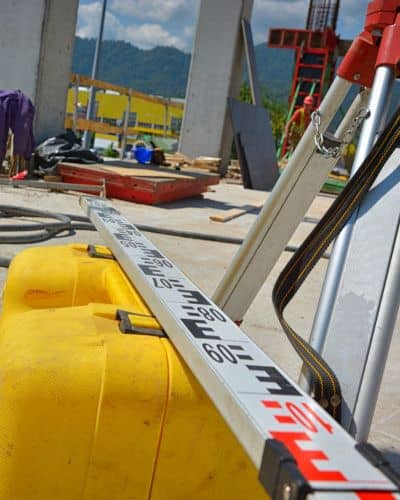
When two surveying firms join forces, they usually merge their crews, systems, and equipment. Even if the merger happens in another part of the region, the combined workforce can quickly impact neighboring states or smaller cities. Larger teams can now rotate between areas based on demand instead of staying in one fixed location.
For Coeur d’Alene, this could mean:
- more survey crews available during peak seasons
- faster turnaround times for ALTA Surveys
- improved scheduling flexibility
- better coverage for rural properties or complex sites
Another advantage comes from consistent standards. Bigger firms tend to train their teams the same way, use shared software, and follow uniform work methods. When lenders and title companies receive surveys with clear formatting and predictable quality, approvals often move faster.
What Buyers and Developers Might Gain
A merger doesn’t just change things inside a company — it also makes life easier for clients. Here’s how Coeur d’Alene may benefit.
Faster scheduling becomes one of the biggest improvements. When more field crews are available, the backlog shrinks. That means a buyer facing a tight closing date may get their ALTA Survey sooner instead of waiting weeks.
Predictable pricing also helps. Larger survey firms often use clear, steady pricing models instead of fluctuating seasonal costs. This gives buyers and developers a better idea of what to expect.
Better technology is another perk. Consolidated firms usually invest in higher-quality equipment like drone mapping and LiDAR. With better tools, surveyors can work faster and capture more accurate data. Clients feel the results through quicker maps and smoother closing processes.
Finally, complex commercial projects benefit from larger teams. Multi-parcel deals, unusual property layouts, and intricate access issues require experience. Bigger firms tend to have surveyors who specialize in ALTA-level work, which reduces the chance of delays and gives buyers access to detailed survey work they can trust when making major decisions. That added clarity makes the entire process feel more grounded, especially when a property carries unique features or a complicated history.
Potential Drawbacks Clients Should Know
Even good news comes with challenges. After a merger, companies go through an adjustment period. They merge databases, align software, train staff, and reorganize schedules. During that time, response times may slow slightly. Clients may notice a few communication hiccups until everything settles.
There is also the question of choice. When surveying companies merge, smaller local firms sometimes feel pressure. Over time, markets with fewer competitors may see reduced variety in service styles or pricing. While this isn’t immediate, it’s something clients should keep an eye on.
Still, for a smaller market like Coeur d’Alene, the added capacity often outweighs the drawbacks.
Why This Matters for Coeur d’Alene’s Growth
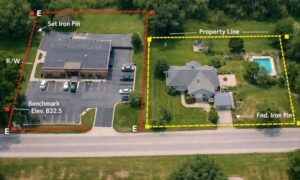
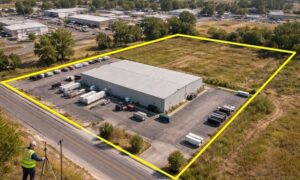
Coeur d’Alene is attracting new residents, new investors, and new development every year. With more activity comes more need for accurate surveys. An ALTA Survey isn’t just a formality — it’s the document lenders use to confirm boundaries, access, and anything that might affect the land.
If survey availability increases because of this merger, the effects will ripple across the whole region:
- property deals close faster
- engineers receive base maps sooner
- lenders approve projects with fewer delays
- investors stay confident in local opportunities
All these benefits support Coeur d’Alene’s ongoing growth and make the market more attractive to future buyers.
How Property Owners Can Stay Ahead
No matter how many survey crews become available, planning ahead always helps. An ALTA Survey requires coordination between your surveyor, title company, and lender. When you start early, everyone has time to handle surprises without slowing down your closing date.
It also helps to ask your surveyor whether the merger increased their staffing or service range. Sometimes improvements happen behind the scenes long before clients notice them. Staying informed helps you pick the best time to schedule your survey.
Checking with your lender early is smart too. When everyone communicates, delay risks shrink fast.
Final Thoughts
A land-survey company merger may seem like a distant business story, but in a growing place like Coeur d’Alene, it affects real projects and real timelines. When surveying teams expand, clients often see faster scheduling, steadier pricing, and higher-quality results.
If this merger improves ALTA Survey availability in the area, buyers and developers will feel the impact where it matters most — in smoother closings and stronger project foundations. Growth brings challenges, but with the right survey at the right time, every project stands on solid ground.