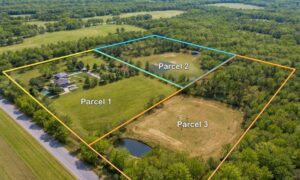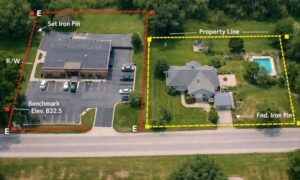
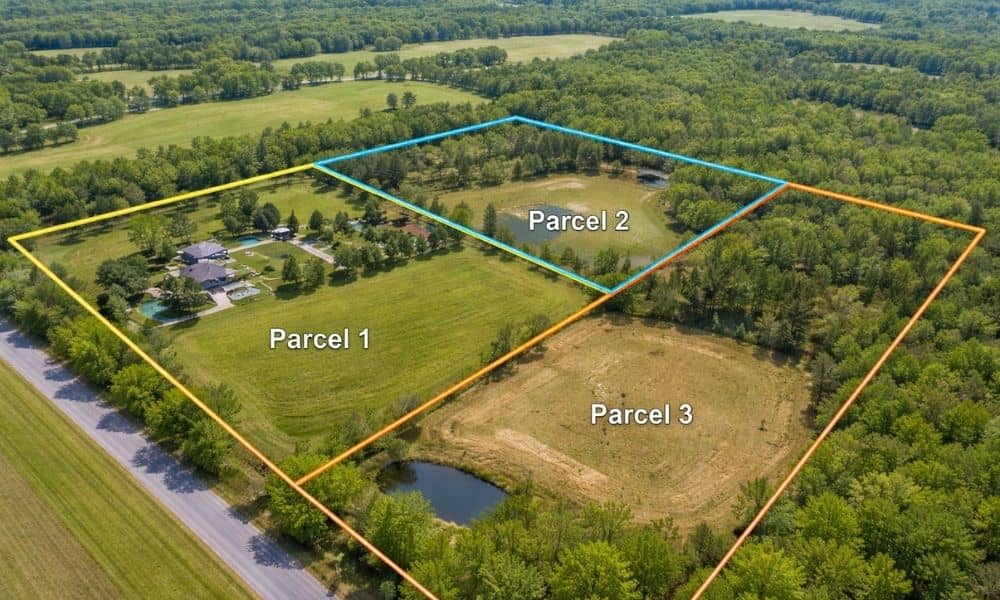
A lot of buyers think they are getting one property. The listing shows one piece of land. The seller talks about it like one site. The plan feels simple. Then the title report comes in. Now there are two parcels. Sometimes three. Each has its own number. Each has its own legal description. That’s when things stop feeling so clear. You might ask, “Do I need one alta survey or more?” This question usually comes up when you’re already planning an ALTA survey for multiple parcels and start noticing the details don’t quite line up the way you expected. The answer depends on how the property is set up and how you plan to use it.
Why one site can have more than one parcel
This happens more often than people think.
Land changes over time. Owners split lots. Families pass land down. Developers buy pieces next to each other.
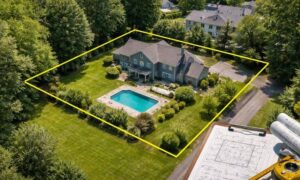
So even if the land looks like one big space, the legal side can still show separate parcels.
In Post Falls and other growing areas, this shows up a lot. A buyer may want to build on land that used to be divided years ago. Now it feels like one site, but the paperwork says something else.
That gap between what you see and what is on paper causes problems if no one checks it early.
What an alta survey looks at in this situation
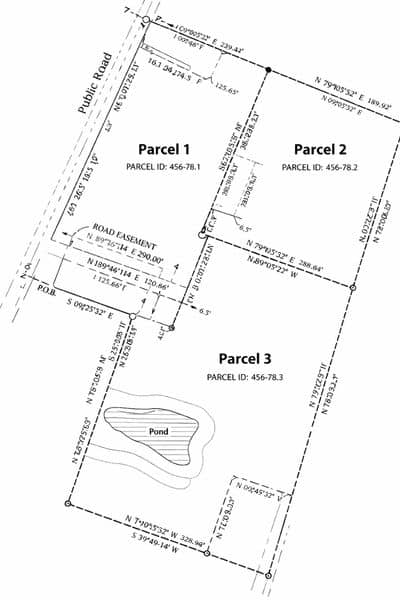
An alta survey follows the legal descriptions in the title.
If the title shows more than one parcel, the survey has to deal with all of them. It does not just follow what the land “looks like.”
So the key question is not the size of the site.
It is how the property is written in the title and how the deal is being handled.
If you buy all parcels together, the survey can often show them as one project site. If not, things can get more complex.
When one alta survey usually works
One alta survey can cover multiple parcels in many cases.
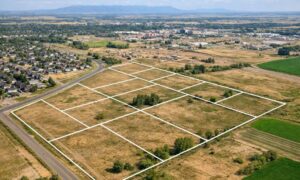
This works best when the parcels touch each other. They form one continuous piece of land. There are no gaps between them.
It also helps if the buyer plans to use the land as one site. For example, a small commercial project or a single home build across combined lots.
In this setup, the survey can show the full area as one boundary. Each parcel is still there on paper, but the survey presents them together.
This is common in real projects. Builders do this all the time when they combine land.
When more than one alta survey may be needed
Some setups do not fit into one clean survey.
If the parcels do not touch, that is one issue. If one parcel sits across the street or far away, it may need its own survey.
Another case is when the deal is split. A buyer may close on one parcel now and another later. That can lead to separate surveys.
Different ownership can also change things. If parcels have different owners or legal ties, the survey work may need to stay separate.
So the number of surveys often follows the structure of the deal, not just the land itself.
The mistake that causes delays
Many buyers skip one simple step.
They assume the site is one parcel because it looks that way.
Then they order an alta survey without checking the title first.
That is where delays start.
The surveyor begins work. Then new details show up. The scope changes. The timeline shifts.
Now everyone waits.
This problem is easy to avoid, but only if someone looks at the parcel setup early.
What to check before you order an alta survey
A few quick checks can save time and stress.
First, look at the title commitment. Count how many parcels are listed. Do not rely on the listing or the map alone.
Next, think about how you will use the site. Will all parcels work as one project? Or will they stay separate?
Then talk to your lender or title contact if one is involved. Some deals need a certain setup.
These steps do not take long. Yet they prevent rework later.
Why this shows up more in places like Post Falls
Growth brings change.
More people move in. More land gets split and combined. Old lots get new uses.
That means more projects sit on land made of several parcels.
So this is not a rare case anymore. It is becoming normal in growing areas.
Buyers who understand this early move faster. Others get stuck in small details that slow the deal.
How to think about it moving forward
Focus on structure first.
Do not start with the question, “How many surveys do I need?”
Start with, “How is this property set up on paper?”
Once you know that, the answer becomes clear.
One alta survey can work for multiple parcels when everything lines up. When it does not, separate surveys may make more sense.
The goal is not to guess.
The goal is to match the survey to the way the property is being bought and used.
That is what keeps a project moving without delays.