Buying property should feel exciting. However, many buyers feel confused the moment someone mentions surveys. Some hear “property survey” and assume it covers everything. Others hear alta land title survey and think it sounds like the same thing with a longer name.
In truth, these two surveys serve different purposes. While both involve measuring land, they answer different questions. If you understand that difference early, you avoid stress, delays, and last-minute surprises during closing.
Why So Many Buyers Get Confused
Real estate uses a lot of similar-sounding terms. Property survey. Boundary survey. Mortgage survey. ALTA survey. It’s no surprise buyers mix them up.
The confusion usually starts during a transaction. For example, someone buys a home and orders a standard property survey. Later, a lender says they require an alta land title survey instead. Suddenly, the buyer wonders what went wrong.
The truth is simple: these surveys serve different types of transactions. One focuses on physical boundaries. The other connects the land to legal and title documents. Once you understand that purpose difference, everything makes more sense.
What a Standard Property Survey Really Does
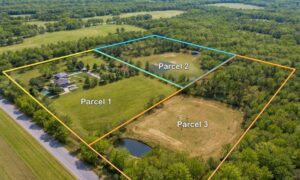
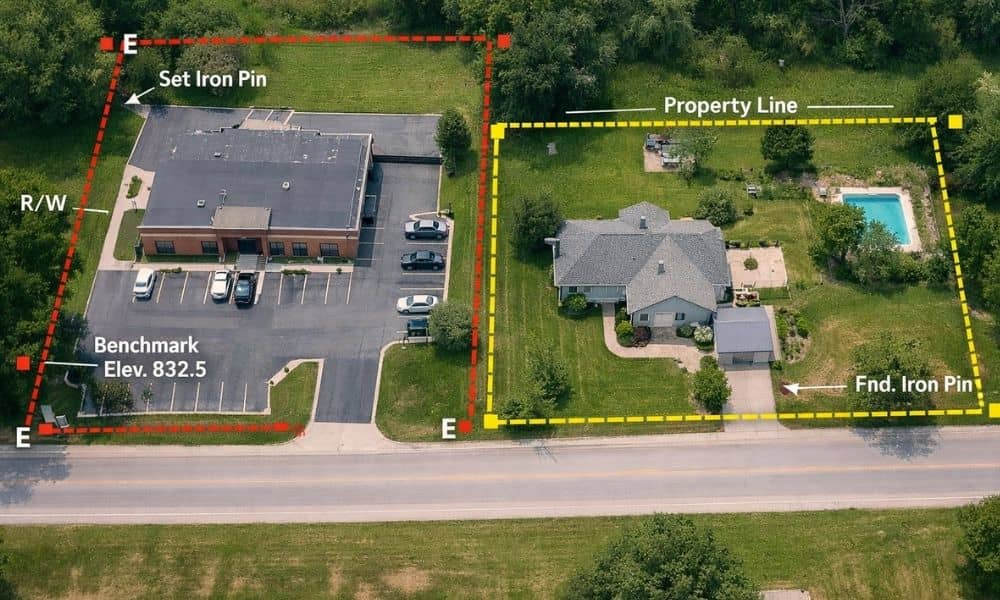
A standard property survey focuses on the physical layout of your land. In other words, it shows where your property lines sit on the ground.
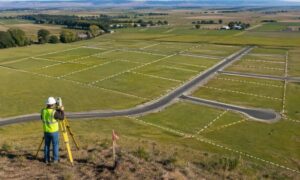
A surveyor measures distances, finds corner markers, and maps visible improvements like houses, garages, driveways, and fences. Because of this, homeowners often request a property survey when they:
- Buy a single-family home
- Install a fence
- Build an addition
- Refinance a mortgage
- Clarify a boundary with a neighbor
For example, if you want to confirm your fence stays inside your lot, a property survey gives you that answer clearly. It confirms where your land begins and ends.
However, it does not deeply review legal title documents. That’s where the next survey type comes in.
What an ALTA Land Title Survey Covers
An alta land title survey still confirms boundaries, but it goes much further. Instead of focusing only on physical lines, it connects those lines to official title records.
In most cases, the surveyor works with a title company and reviews the property’s title commitment. The goal is to ensure the land on the ground matches the legal description in recorded documents.
Because of that added layer, buyers usually request an alta land title survey when they:
- Purchase commercial property
- Invest in development land
- Build multi-family housing
- Secure financing for retail or office space
For instance, imagine someone buys land to build a small shopping center. That buyer needs more than just boundary lines. They need confirmation that the legal paperwork aligns with what exists on the site.
That added coordination makes the alta land title survey more detailed and structured.
The Core Difference Comes Down to Purpose
At first glance, both surveys involve measurements and maps. Yet their purpose separates them.
A standard property survey answers: Where are my boundaries?
An alta land title survey answers: Do my boundaries match the legal and recorded documents tied to this property?
That distinction matters most during commercial transactions. Residential deals often stay simple. Commercial deals, on the other hand, involve investors, lenders, and title companies who expect standardized documentation.
So while neither survey ranks as “better,” each one fits a specific situation.
Why Residential and Commercial Transactions Require Different Surveys
Residential purchases usually involve fewer moving parts. A buyer wants to know lot lines, building placement, and general layout. A property survey handles that well.
Commercial transactions operate differently. They often involve larger investments and more complex financing. As a result, lenders and buyers expect detailed coordination and formal certification. That’s where an alta land title survey becomes necessary.
For example, buying a home in a neighborhood likely calls for a property survey. Developing raw land for apartments or retail space typically calls for an alta land title survey.
As communities grow and land changes hands for new uses, understanding that difference becomes even more important.
What About Mortgage Surveys?
Many people assume a mortgage survey replaces an alta land title survey. However, that assumption leads to confusion.
A mortgage survey usually provides a basic drawing that satisfies a residential lender. It confirms general property features and improvements. It does not involve the same coordination with title documents or follow the same national standards required in an alta land title survey.
Therefore, while a mortgage survey may work for refinancing a home, it does not serve the same role in a commercial purchase.
Again, the purpose of the transaction drives the survey type.
The Process Feels Different Behind the Scenes
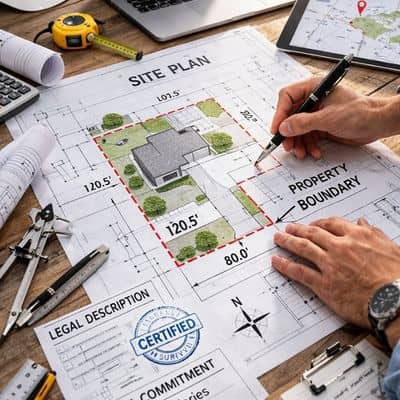
From the outside, survey work may look similar. Crews measure land, locate corners, and gather data.
Behind the scenes, though, the workflow changes.
With a property survey, the focus stays mainly on field measurements and boundary research.
With an alta land title survey, the surveyor must also review title commitments, coordinate with title companies, and follow established ALTA/NSPS standards. That extra documentation adds structure to the process.
In other words, the alta land title survey involves more coordination, more review, and more formal certification.
Choosing the Right Survey From the Start
Many delays happen because buyers request the wrong survey at the beginning. Then halfway through closing, someone realizes the scope does not meet transaction requirements.
However, when buyers clarify their needs early, everything flows better. The surveyor understands the scope. The title company stays aligned. The lender receives the correct documentation.
Before ordering any survey, ask yourself:
- Is this residential or commercial property?
- Is a lender involved?
- Am I developing or investing in this land?
Those answers usually point clearly toward either a property survey or an alta land title survey.
Final Thoughts
Land surveys may seem technical, yet the difference between these two types comes down to purpose.
A standard property survey works well for homeowners who need clear boundary confirmation.
An alta land title survey works best for commercial buyers who need alignment between land measurements and legal records.
Neither survey replaces the other. Each one fits a specific transaction.
If you feel unsure which survey applies to your situation, speak with a licensed land surveyor before closing. A short conversation early in the process often prevents confusion later.
In the end, choosing the right survey keeps your transaction smooth, clear, and on track.