If you are buying, selling, or refinancing property, you may notice something new. Closings now feel slower. Lenders ask more questions. Title companies request extra documents. Even surveys take more time. At first, this can feel frustrating. Still, there is a clear reason. A major update to the ALTA Title Survey standards is changing how real estate closings work across the country, including here in Caldwell.
Even though the land has not changed, the way deals are reviewed has. Because of that, buyers, sellers, investors, and builders now face a different closing process. Understanding what is happening can help you avoid delays, lower stress, and keep your deal moving forward.
Why Real Estate Closings Feel More Complicated
In the past, most closings moved quickly once the price, loan, and paperwork were ready. Now, however, survey reviews happen earlier and with more care. As a result, deals can feel slower even before final approval.
This shift exists for one simple reason. Lenders and title companies want fewer surprises at closing.
Because the new rules raise the bar for accuracy, banks now expect stronger proof that property lines, access, easements, and buildings are fully understood. For this reason, the alta title survey now plays a bigger role in every closing.
Instead of rushing at the end, lenders now prefer to clear survey issues early. While this may feel slower, it often prevents bigger problems later.
What Is Actually Changing in Real Estate Transactions Right Now
Many people think these changes affect only surveyors. In truth, the impact reaches everyone involved in a real estate deal.
For example, lenders now review surveys more closely. At the same time, title companies check legal records more carefully. Because of this, older surveys may no longer be accepted. Also, small differences between title documents and survey maps now receive extra attention.
As a result, buyers may see more questions and requests before closing. However, this early review helps catch problems sooner, which makes the final closing smoother.
Why Lenders Now Pay More Attention to ALTA Title Surveys

Banks want to lower risk as much as possible. Because of that, they now rely more on the alta title survey.
This survey confirms that legal records match what exists on the land. It shows property lines, access routes, easements, and buildings. It also helps confirm that nothing blocks the use or value of the property.
Since loan sizes continue to grow, lenders want stronger proof that no hidden issues exist. Therefore, survey accuracy now matters more than ever.
How These Changes Can Delay Caldwell Closings
Even small issues can now cause delays.
For example, older surveys often need to be updated. Also, if the survey and title records do not match, both teams must resolve the difference before closing can move forward. In some cases, lenders also require changes to survey wording before funding a loan.
Although these steps may feel minor, they can easily push closing dates back if buyers do not plan ahead.
Why Caldwell Properties Are More Affected
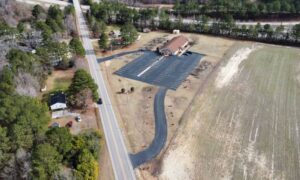
Caldwell has many irrigation canals, shared access paths, and older property lines from past farmland use. Because of this, property records can be more complex.
As Caldwell continues to grow, more land becomes part of new neighborhoods and business areas. This growth increases the need for clear surveys. Lenders want to be sure every part of the property matches legal records before approving loans.
Because of these factors, local properties often need deeper review.
How Buyers Can Avoid Last-Minute Closing Delays
The best way to avoid delays is simple: plan early.
First, order your alta title survey as soon as possible. Waiting too long often leads to rushed reviews and stress. Early ordering gives everyone time to fix issues if needed.
Next, talk with your lender and title company before the survey begins. When all parties agree on what is required, the process moves faster.
Finally, build extra time into your schedule. Even when everything goes smoothly, surveys still take time. Planning ahead keeps your deal safe.
Why Waiting to Order a Survey Is Now Riskier Than Ever
Survey demand continues to rise, especially during busy seasons. Because of this, scheduling delays are more common.
At the same time, lenders allow fewer shortcuts. As a result, buyers cannot rely on quick fixes when deadlines approach. Waiting too long increases the chance of missed closing dates and loan delays.
Ordering early protects both your timeline and your peace of mind.
What This Means for Buyers, Investors, and Builders
These changes affect all types of property deals.
Homebuyers now receive stronger protection. Clear surveys help prevent future disputes and surprises.
Investors benefit from lower risk. Better survey clarity supports faster funding and smoother refinancing.
Builders gain better planning tools. Accurate surveys help engineers design correctly and avoid costly changes later.
Although the process now involves more steps, these steps create stronger results.
How These Changes Help Buyers in the Long Run
While extra review may feel frustrating, it provides long-term benefits.
Clear surveys reduce legal disputes. They prevent building conflicts. They also uncover hidden problems before money changes hands.
Instead of facing issues after closing, buyers now catch them early. In the end, this saves time, money, and stress.
Final Thoughts:
The update to ALTA Title Survey standards is changing how closings work. While deals may feel slower at first, the new process creates better protection for everyone involved.
If you plan to buy, sell, or refinance property, act early. Order your alta title survey right away. Work closely with your lender and title company. Most of all, allow enough time for proper review.
When you do, you protect your closing date, your investment, and your peace of mind.