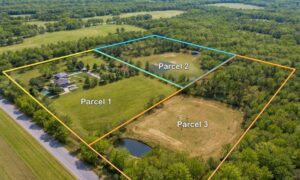

Land ownership has become a big topic in Idaho lately. Lawmakers have debated how public land should be managed and protected. While most of that discussion focuses on government land, it raises an important question for everyday buyers too: what does it really mean to own land? At first glance, buying property may seem simple. You find a parcel, review the price, and sign the papers. However, the reality can be more complex. Land can have access routes, shared roads, and rights-of-way that affect how the property can actually be used. Because of this, many buyers rely on an alta land survey before closing a deal, especially once they start looking more closely at how land surveys work and what they reveal about a property.
For buyers, that extra step can make a major difference. It helps confirm not just where the land sits, but also how it can be accessed and used.
Idaho’s Land Debate Shows How Complicated Land Rights Can Be
Recent discussions about land ownership in Idaho highlight how complex land rights can become. Some proposals aim to protect public lands from being sold or transferred in the future. Meanwhile, supporters and critics continue to debate how those lands should be managed.
Although those debates focus on government land, they reveal something important. Land ownership often involves more than just a line on a map.
For example, land may include shared access roads, crossing paths, or utility routes. In many cases, these conditions appear in public records. Yet buyers may not fully understand how those rights affect the property.
Therefore, before buying land, it helps to look closely at how the property works in real life. Many buyers begin understanding an ALTA land survey during this stage so they can see how the land is actually laid out and accessed.
Ownership Does Not Always Mean Easy Access
Many people assume that once they buy a property, they can enter and use it however they want. Unfortunately, that assumption does not always hold true.
In fact, some parcels rely on roads that cross neighboring land. Others depend on long private driveways shared with nearby properties. Meanwhile, some pieces of land connect to a public road through a narrow strip that limits how vehicles can enter.
Because of these situations, a property may appear simple at first. Yet once development plans begin, access problems can surface.
Consider a common example. A buyer purchases land outside town and hopes to build a small commercial building. The parcel looks wide open on a map. However, the only road that reaches the property crosses a nearby lot. If that access route does not appear in legal records, the buyer may face a serious problem later.
For that reason, buyers should understand access conditions before they commit to the purchase.
How an ALTA Land Survey Helps Buyers See the Full Picture

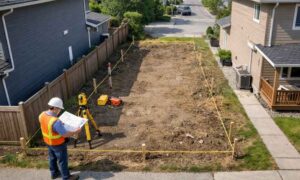
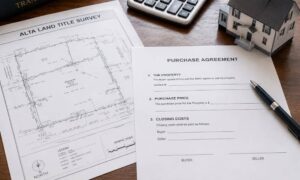
An alta land survey provides a detailed look at a property. It maps the boundaries, improvements, and access routes connected to the land. In addition, it compares the physical site with public records and title documents.
As a result, the survey helps buyers see how the land functions in real life.
For example, the survey can show:
- Shared roads or driveways
- Recorded rights-of-way
- Physical paths used to reach the land
- Locations where roads cross property lines
- Connections to nearby public streets
Because these details appear clearly on the survey map, buyers gain a better understanding of how people move through the property.
This information proves valuable during the early stages of a real estate deal. Instead of discovering issues later, buyers can review the conditions before finalizing the purchase.
Why This Matters in the Pocatello Area
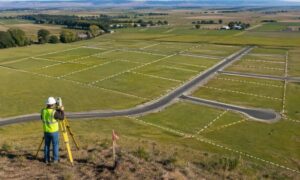
Pocatello sits in a region where urban neighborhoods meet open land. As a result, buyers often see a mix of property types. Some parcels lie close to downtown streets. Others sit near farmland or open hillsides.
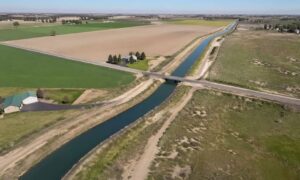
Because of that mix, access routes sometimes follow older patterns. In certain areas, historic farm roads or shared paths still connect parcels to nearby highways. Meanwhile, newer development projects may create fresh road systems that serve multiple properties.
Therefore, understanding how a parcel connects to the surrounding road network becomes very important.
For instance, land near open areas may rely on longer access routes. Meanwhile, parcels near expanding neighborhoods may connect to roads that serve several properties at once. Each situation can affect how the property supports future plans.
In both cases, an alta land survey helps clarify those conditions.
When Buyers Should Consider an ALTA Land Survey
Buyers often order this survey when they want a clear picture of the land before moving forward. While every situation differs, some scenarios make the survey especially helpful.
For example, buyers may consider it when purchasing:
- Large parcels outside city centers
- Property intended for commercial use
- Land that sits near open or rural areas
- Parcels with long private driveways
- Property that connects to shared roads
In these cases, understanding access routes early can save time and money later.
Additionally, the survey helps buyers plan how the property may work in the future. Whether the goal involves construction, expansion, or investment, knowing the site conditions supports better decisions.
Clear Information Helps Buyers Make Confident Decisions
Buying land often represents a major investment. Because of that, most buyers want clear answers before they commit.
An alta land survey helps provide that clarity. It shows how the property connects to nearby roads and how people may travel across the site. Moreover, it gives buyers a reliable map that reflects both records and real-world conditions.
With that information in hand, buyers can move forward with confidence. They understand how the property fits into the surrounding area and how access routes support their plans.
Final Thoughts
Idaho’s current land ownership debate reminds people that land rights rarely remain simple. Even when a property appears straightforward, access routes and shared paths can affect how the land functions.
For buyers, understanding those details before closing can prevent confusion later. Instead of relying on assumptions, they can review accurate information about the property.
An alta land survey helps make that possible. By showing how the land connects to the world around it, the survey helps buyers understand not just where their property sits—but how it truly works.