Buying land or a building should feel simple. You read the papers, check the details, and move forward. However, many buyers run into a problem. The records look right, but the land tells a different story. For example, a title document may show a clear boundary. Yet when you visit the site, a fence sits in the wrong place. Or a driveway crosses into a neighbor’s lot. These small issues can turn into big problems fast. That’s where an alta title survey comes in. It gives you a clearer picture of what’s really going on out there. As you dig into it, you start to learn how an alta title survey works and why it helps catch these issues before they turn into bigger problems. It helps match what’s on paper with what actually exists on the ground.
When Paper and Reality Don’t Match
Property records are important. They show ownership, boundaries, and legal descriptions. Still, they don’t always reflect real-world conditions.
Over time, things change.
For instance, owners may build fences without checking exact lines. Roads may shift slightly. In some cases, people use land that doesn’t legally belong to them. Also, older records may not match modern measurements.
Because of this, a property can look perfect in documents but feel confusing in person. That’s often when what an alta title survey can reveal really comes into focus—it helps explain why things don’t quite line up.
That gap creates risk.
Why This Matters for Buyers in Real Life
At first, a small mismatch may not seem like a big deal. However, it can affect your plans in serious ways.
Let’s say you buy land for a new project. You expect full access from the road. Later, you learn that access crosses another parcel. Now you must deal with legal issues before you can build.
Or maybe you think you own a certain area. After closing, you find out a structure sits outside your boundary. Fixing that mistake can cost time and money.
Because of these risks, relying only on documents is not enough.
What an ALTA Title Survey Actually Does
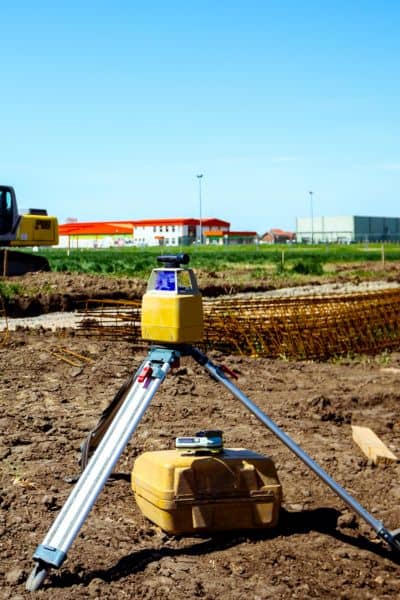
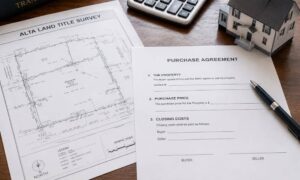
An alta title survey connects the dots between records and reality.
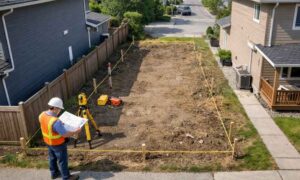
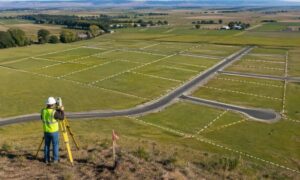
Instead of just reading documents, a surveyor visits the site. They measure the land with precision tools. Then they map out what truly exists.
Here’s what makes it different:
- It shows exact boundary lines on the ground
- It maps buildings, fences, and driveways
- It checks how the property connects to nearby land
- It compares physical features with recorded data
As a result, you don’t just trust the paperwork. You see how everything lines up in real life.
Real Situations Where Problems Show Up
Many property deals run into the same types of issues. These problems often stay hidden until someone looks closely.
For example:
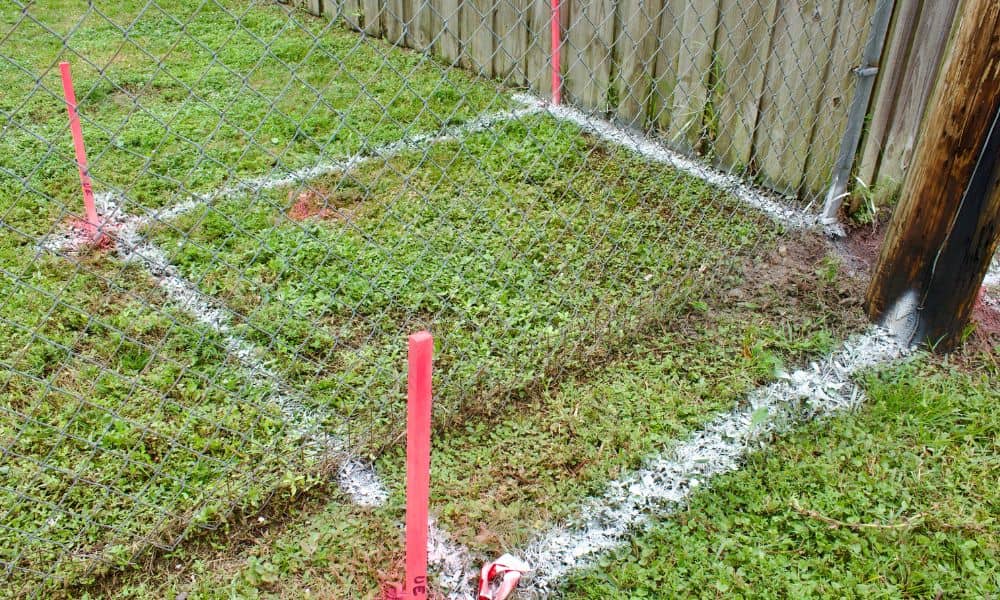
A fence may sit a few feet off the true boundary. At first glance, it looks normal. However, it can lead to disputes later.
In another case, a driveway may cross into a neighbor’s land. Even if everyone uses it, it may not be legally allowed.
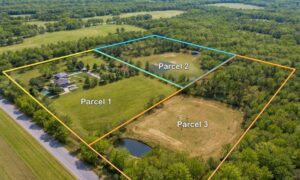
Sometimes, two parcels look like one large lot. Yet they are legally separate. This can affect financing and development plans.
Also, recorded access may exist on paper. Still, no visible road or path supports it.
These situations are common. That’s why a deeper check matters.
Why These Issues Often Go Unnoticed
You might wonder why these problems don’t show up sooner.
The answer is simple.
Most property reviews focus on documents. Title companies check records, not physical land. Meanwhile, buyers often rely on quick site visits. They look around, but they don’t measure anything.
In addition, many deals move fast. People want to close quickly, so they skip deeper checks.
Because of this, mismatches stay hidden until later. By then, fixing them becomes harder.
How Early Survey Work Makes a Big Difference
Timing matters a lot.
If you order an alta title survey early, you can catch issues before they affect your deal. You can adjust plans, ask questions, or even walk away if needed.
On the other hand, if you wait until the last minute, problems can delay closing. In some cases, they can stop the deal entirely.
In growing areas like Rexburg, this becomes even more important. Land changes hands more often. New projects move quickly. So, clear and accurate information helps everyone stay on track.
When You Should Consider an ALTA Title Survey
Not every property needs the same level of detail. However, some situations call for more certainty.
You should consider an alta title survey when:
- You are buying commercial or investment property
- The land is vacant or undeveloped
- You see structures close to property edges
- You plan to build or improve the site
- You want to avoid surprises after closing
In these cases, having clear data upfront can save you from bigger problems later.
Why Clarity Beats Assumptions Every Time
It’s easy to assume everything is correct when documents look clean. However, assumptions can lead to costly mistakes.
A small boundary shift can affect where you build. A hidden access issue can delay your project. Even a simple fence problem can create legal trouble.
That’s why checking both records and real conditions matters.
An alta title survey gives you that clarity. It shows how the property truly exists, not just how it appears on paper.
Final Thoughts
Property deals involve more than paperwork. They involve real land, real boundaries, and real risks.
When records and site conditions don’t match, confusion follows. However, with the right survey, you can spot issues early and make better decisions.
If you’re planning a property purchase, taking the time to verify everything can make a big difference. In the end, clear information leads to smoother deals and fewer surprises.