If you’re buying land, you might feel confident because you checked the price, the road access, and the general zoning. However, one detail can still flip your expectations fast: the Area of Impact map. That’s why an alta land title survey matters early, not at the last minute.
A quick story you might recognize
Picture this: you find a parcel “just outside” Post Falls. The listing says it sits in a great growth area. You start talking with a lender. You sketch an early site plan. You also tell your contractor you want to break ground as soon as you close.
Then someone asks a simple question: “Is it inside the updated Area of Impact?”
Suddenly, the room changes. Your lender wants clarity. Your team argues about which rules matter most right now. Meanwhile, your closing timeline keeps moving.
This doesn’t happen because you picked the wrong land. It happens because you relied on assumptions that weren’t written down in a way your deal can use.
What an “Area of Impact” really means
An Area of Impact (AOI) sits outside city limits. Still, it signals where a city expects growth and where the city and county plan for it together. In other words, it’s a “future-growth influence zone,” not a new property line on your deed.
Also, an AOI does not mean automatic annexation. However, it often connects to future annexation conversations, and that can shape how people think about a site’s long-term path.
Why AOI updates can hit your deal—even if your boundaries never move
Here’s the key: AOI lines don’t rewrite your legal description overnight. But they can change how your team talks about the property.
And in a land deal, “how the team talks” matters. Lenders, title teams, and investors don’t fund vibes. They fund clarity.
So, when AOI updates enter the picture, three common surprises show up.
Surprise #1: Your “approval path” doesn’t match your original plan
Many buyers assume the site will follow the same playbook as “in-town” property. However, if the parcel sits outside the city limits (even near the city), your plan can run into extra coordination steps or different expectations.
This doesn’t always mean “no.” Instead, it can mean “slow,” “not yet,” or “revise your approach.”
As a result, you might redesign early. Or you might pause while you confirm which process applies to your plan right now.
Surprise #2: You treat utilities and services like a promise
A growth edge feels exciting. So, people start picturing city-style services, future connections, and easy expansions.
But AOI doesn’t guarantee timing. It doesn’t guarantee capacity. It also doesn’t guarantee that your project can connect exactly when you want.
That gap—between what you pictured and what you can document—creates risk. And risk creates delays.
So, even if you still love the property, you may need more upfront confirmation before you lock financing or sign contracts.
Surprise #3: Your closing timeline takes the hit
Most deals don’t fall apart because the land “turns bad.” Instead, deals stall when someone asks a late question and nobody can answer it quickly.
That’s why the last week before closing feels so stressful. Everyone rushes. Everyone emails. Meanwhile, your lender still wants certainty.
AOI conversations can trigger that exact pattern, especially if your project depends on a certain use, a certain timeline, or a certain future growth story.
Where the ALTA Land Title Survey actually helps
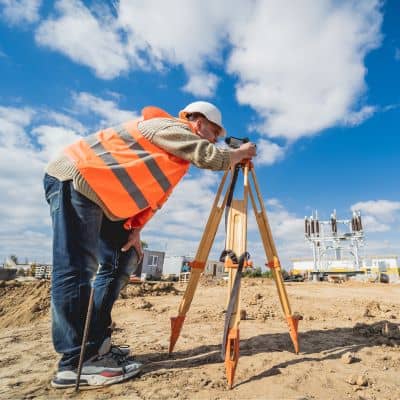
An alta land title survey helps because it supports the part of the deal where money moves: title and lending. It ties the recorded record (what’s on paper) to what exists on the site (what’s on the ground). It also gives your title company and lender a clean, shared reference point.
If a bank is involved, this usually becomes “the survey for closing” everyone waits on. In fact, a lot of buyers don’t even hear the formal name—they just get told they need a commercial survey for lender closing before the lender will feel comfortable releasing funds.
In a growth-edge deal, that shared reference point matters even more. Why? Because uncertainty multiplies when multiple parties rely on different “versions” of the property story. So, instead of arguing from screenshots, you build your due diligence around a survey deliverable that holds up under review.
How to keep the article’s promise: “Don’t get blindsided”
You don’t need to panic. You just need to move earlier than the surprise.
First, treat AOI as a trigger to tighten your due diligence timing. Use it as your reminder to double-check assumptions before you rush into a closing.
Next, align your “deal trio” sooner: you, your title contact, and your surveyor. When these three line up early, you avoid the end-of-deal scramble.
Also, don’t wait until you finalize the design to order the survey. Instead, order early enough that your team can adjust before you commit to expensive decisions.
Two questions that protect you before you remove contingencies
These questions keep everything practical and client-friendly:
Ask your title contact: “How soon can we see the title package that the lender will rely on, so we don’t discover a deal-stopper at the end?”
Ask your surveyor: “What do you need from the title right now to deliver an ALTA Land Title Survey that supports a clean lender-ready closing?”
Notice what these questions do: they pull risk forward. That’s exactly what good due diligence does.
The bottom line:
Post Falls sits in a fast-moving region. So, it makes sense that growth boundaries create real consequences for land deals. AOI updates put extra attention on “where the property fits” in the growth story, and that can expose weak assumptions at the worst time—right before closing.
If you want a smoother deal, don’t rely on hope and timing. Instead, use an alta land title survey early so your lender and title team can work with clear facts.
Because in the end, the best land deals don’t move the fastest. They move the cleanest.