If you’re buying land, you’ve probably heard the term ALTA survey. It might sound like just another step in the closing process, but here’s the truth: in Boise, Meridian, Nampa, and Kuna, an ALTA survey can be the difference between a smooth purchase and a deal full of expensive surprises. Why? Because of canals and irrigation easements that run across thousands of properties in the valley. These easements aren’t always obvious, yet they carry legal weight that can block construction or delay financing.
Why Irrigation Easements Are a Big Deal in Treasure Valley
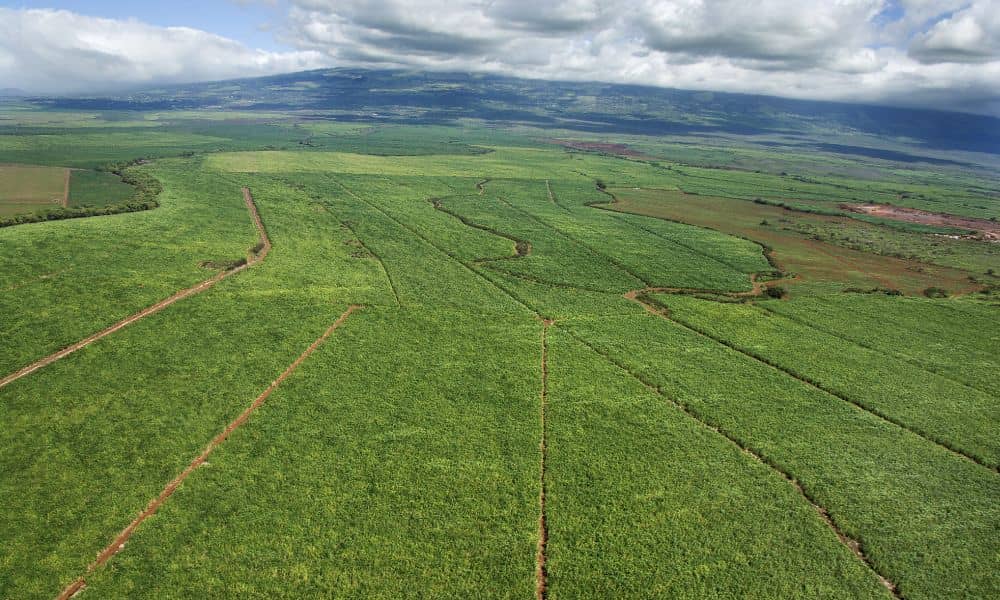
Treasure Valley owes much of its growth to irrigation. Canals, laterals, and ditches snake through neighborhoods, farmland, and even commercial developments. They supply water that keeps fields green and subdivisions thriving. But along with that water come rights-of-way owned by irrigation districts.
These easements are not small. The Nampa & Meridian Irrigation District (NMID) and the Boise Project Board of Control (BPBC) often claim 25–30 feet of space on each side of a canal or lateral. That space is reserved for maintenance, inspections, and even future expansion. If your new driveway or patio falls within that strip, you could be forced to remove it.
On top of that, some districts impose “blackout” windows during the irrigation season when no construction is allowed near canals. Developers who ignore this risk wasting an entire season.
How an ALTA Survey Spots Problems Early
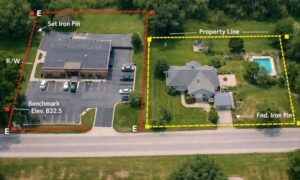
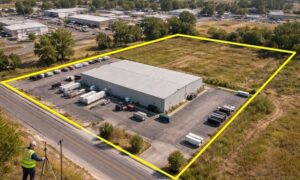
So how does an ALTA survey protect you? It’s designed to map not just the boundaries of a property, but also the easements, encroachments, and rights-of-way that affect how land can be used.
When a surveyor prepares an ALTA, they pull county records, review the title commitment, and tie those legal documents directly to the map. That’s how a hidden canal easement shows up on paper before you sign the closing documents.
Instead of finding out after you’ve poured a foundation, you’ll know right away if a canal company claims a 30-foot strip across your backyard. Lenders and title companies rely on that detail, which is why many won’t move forward without a current ALTA survey.
The Step Buyers Often Miss
Here’s where many buyers get stuck: they order a simple boundary survey, thinking it’s enough. A boundary survey marks the corners, but it doesn’t always show easements. That means the most critical piece of information — the irrigation right-of-way — can remain hidden.
Imagine this: you close on a property in Nampa, ready to build a new home. A few months later, NMID informs you that your planned garage sits in their easement. You’ll have to redesign, relocate, and reapply for permits. The cost? Thousands of dollars and months of delay. An ALTA survey would have caught that before closing.
The Process in Plain English
If you’re wondering how it all works, let’s break it down:
- Step one: The title company issues a preliminary commitment, which lists recorded easements.
- Step two: The surveyor reviews that list, pulls county records, and looks for canal or irrigation documents.
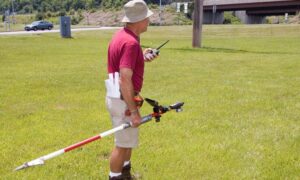
- Step three: The surveyor visits the site, measuring and mapping the land. Easements are drawn to scale on the ALTA map.
- Step four: The final survey ties everything together: property lines, structures, utilities, and easements like canals.
The beauty of this process is that nothing stays vague. What exists in the legal record becomes visible on a drawing you and your lender can both understand.
What Law Says About Canals
It’s not just irrigation districts making claims. Idaho law gives canal companies strong rights to access and maintain their systems. If you build inside their easement without permission, you can face stop-work orders or even legal action.
These laws exist for a reason. Canals aren’t just ditches; they’re critical infrastructure that protects the valley’s water supply. Still, for property owners, they can feel like a hidden trap. That’s why identifying them in advance is essential.
Real-World Impacts
Let’s put this in perspective. Say you’re a developer planning a new subdivision. Without an ALTA survey, your engineer designs roads and lots that overlap an irrigation lateral. When the district reviews your plans, they reject them. Now your plat must be redesigned, which delays approvals and frustrates investors.
Or picture a homeowner who wants to add a shop behind the house. After construction begins, the irrigation company shows up and halts the project. The shop sits too close to their canal easement. Fixing the mistake isn’t just stressful — it’s costly.
Both situations could have been avoided if an ALTA survey had flagged the easement lines upfront.
Why Early Action Matters
Timing is everything. Ordering an ALTA survey early in the process gives you leverage. You can adjust your design, negotiate with the seller, or plan around the easement before money changes hands. Waiting until the last minute is what traps buyers in drawn-out closings, costly redesigns, or worse — deals that collapse entirely.
This problem shows up often in online forums. Buyers complain about last-minute survey findings that stall their closing date. In Treasure Valley, irrigation easements are one of the main reasons for those delays. Getting your ALTA survey at the start can save you from being the next frustrated post on Reddit.
Protecting Your Investment
Buying land isn’t just about the price tag or the view. It’s about making sure the ground under your feet is legally usable. Irrigation easements aren’t obvious, but they matter. An ALTA survey gives you clarity and peace of mind, showing where every risk lies.
For lenders, it provides confidence. For title companies, it clears doubts. For you, it ensures that your dream project doesn’t turn into a legal fight or a financial drain.
Conclusion:
Treasure Valley is growing fast, and canals run through much of that growth. Whether you’re buying a home site or planning a development, don’t overlook the canal problem. ALTA surveys are your safeguard against hidden irrigation easements.
By mapping them before you buy, you protect your investment, your timeline, and your peace of mind. The lesson is simple: canals carry water, but they also carry rights-of-way. Make sure you see them clearly with an ALTA survey before you close.