
If you are buying or financing property, you will hear one term again and again: ALTA title survey. In fact, most lenders will not release funds without one. Yet many buyers still feel confused about what this survey actually needs to show for financing approval. They assume any ALTA survey will work. Unfortunately, that assumption often leads to delays, revisions, and stress right before closing.
Why financing depends so heavily on an ALTA title survey
Lenders do not look at property the same way buyers do. Buyers think about price, location, and future plans. Lenders think about risk. Because of that, they rely on an ALTA title survey to answer one key question: Does anything on this land threaten the value or legal use of the property?
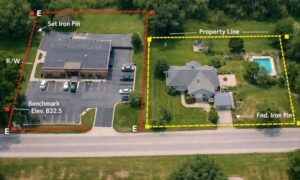
An ALTA title survey connects what is written in the title records to what exists on the ground. It shows boundaries, access, improvements, and legal rights tied to the land. More importantly, it gives lenders proof that nothing conflicts with their loan security. When that proof feels incomplete, financing slows down.
How lenders actually review ALTA surveys

Although surveyors create the map, lenders and title companies review it with a different mindset. They scan the survey for clarity, consistency, and risk signals. They do not want to interpret gray areas. Instead, they want answers that feel final.
For example, lenders check whether the survey matches the title commitment exactly. They also look for notes that explain unusual conditions instead of hiding them. Clear labeling matters. So does clean certification language. When surveys feel vague, lenders ask for revisions. As a result, timelines slip.
Minimum standards versus financing expectations
Here is something many buyers do not realize: meeting ALTA standards does not always satisfy lender expectations. While the standards set the baseline, lenders often require more detail to feel comfortable.
For that reason, surveyors often include extra information through Table A items. These items are technically optional. However, in financing situations, they become essential. Without them, the survey may comply on paper but still fail underwriting review.
Flood zone information lenders want to see
Flood risk plays a major role in financing decisions. That is why lenders often expect flood zone information directly on the ALTA survey. Even if a separate flood document exists, lenders still prefer seeing the classification on the survey itself.
When flood data appears clearly, lenders move faster. On the other hand, when flood status feels unclear or missing, underwriters pause the file. They may request updates, which adds days or even weeks. Including this information early helps prevent last-minute surprises.
Utilities and why “visible only” is not enough
Utility access affects whether a property can function as intended. Because of that, lenders want proof that utilities are not just visible but also legally supported.
Surveyors must show recorded utility easements along with visible lines whenever possible. When surveys only show what can be seen on the ground, lenders worry about hidden conflicts. As a result, they may ask for clarification or additional research. Clear utility mapping reduces that risk and keeps financing on track.
Improvements, buildings, and encroachments
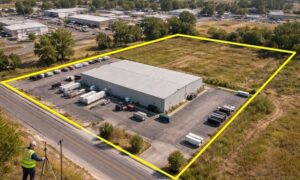
Lenders care deeply about where buildings sit. Even small encroachments can create legal problems later. That is why improvement locations matter so much on an ALTA title survey.
Licensed land surveyors must show building footprints accurately. They also need to note whether structures cross boundaries or easements. When improvement data feels incomplete, lenders worry about liability. However, when the survey clearly shows compliance, loan approval feels much safer.
Access, rights-of-way, and off-site concerns
Legal access remains one of the most common financing conditions. Lenders need to confirm that a property has legal, recorded access to a public road. If access relies on off-site easements, those easements must appear clearly on the survey.
Surveyors must show how access works, not just assume it exists. Without that clarity, lenders may hesitate. Clear access documentation builds confidence and helps loans close without added conditions.
Why certification language matters more than people think
Many people skim past the certification block on a survey. Lenders do not. They check it carefully. Certification language tells lenders who can rely on the survey and for what purpose.
Licensed land surveyors must certify the survey to the correct parties, including the lender and title company. When names or wording do not match expectations, lenders often require re-certification. That extra step may seem small, yet it can delay closing. Getting it right the first time saves time and frustration.
Common issues that slow down financing
Even strong surveys can cause delays if small details get overlooked. Common problems include mismatched title references, missing Table A items, unclear notes, or outdated survey dates. Each issue raises questions for lenders.
However, these problems are avoidable. Most delays happen when surveys get ordered late or without lender input. Early coordination solves most of them before they appear.
How buyers can order a financing-ready ALTA title survey
Buyers play an important role in keeping the process smooth. Start by ordering the survey early. Share the current title commitment and lender requirements upfront. Communicate clearly with your surveyor about financing timelines.
When everyone works from the same information, the survey supports the loan instead of slowing it down. Early planning always costs less than last-minute fixes.
Final thoughts
An ALTA title survey is more than a closing document. It is a financing tool. Lenders rely on it to confirm that the land, records, and reality all match. When licensed land surveyors show the right details clearly, financing moves forward with confidence.
The lesson is simple. Surveys built for underwriting review close faster, create fewer headaches, and protect everyone involved. If you want a smooth closing, focus on getting the survey right from the start.