Buying commercial property can seem simple at first. The title report looks clean. The seller says access is fine. The building looks ready to use. Everything appears set for closing. However, what is written on paper does not always match what exists on the ground. You might see a shared gravel drive crossing the property line. Power lines could run from one lot to another. A drainage ditch might cut through the back corner and continue onto the neighbor’s land. These details may look minor. Yet in commercial property, small details can affect big money. That is where an ALTA title survey becomes important. It does more than rely on documents. It compares legal records with what is physically there before you close the deal.
When the Title Report Looks Clean but the Site Does Not
A title commitment lists recorded easements. It shows legal access, utility corridors, and other rights tied to the property. On paper, that sounds complete.
Still, not every long-term use gets recorded the right way.
Many commercial sites in Nampa once started as farmland. Over time, owners divided land, built warehouses, and added private roads. Some neighbors made informal agreements years ago. They shared drives or utilities but never updated the paperwork.
Because of that, the legal description may not match how the property works today.
For example, a warehouse may use a paved drive that crosses onto a neighbor’s land. Trucks use it every day. It feels permanent. However, if there is no recorded easement, that access is not fully secure.
Without checking physical use against legal records, you could buy property that depends on land you do not legally control.
Why Physical Easement Conflicts Matter for Commercial Property
In homes, disputes often involve fences. In commercial property, conflicts affect operations.
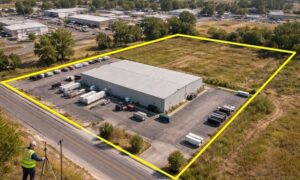
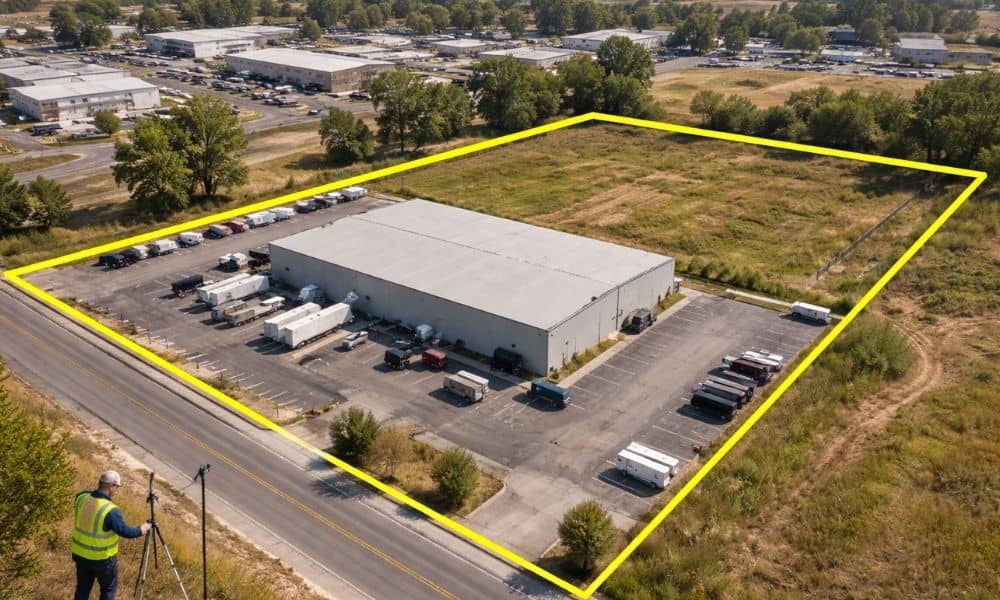
Imagine buying a warehouse in Nampa’s growing business area. The loading area sits close to the property line. After reviewing an ALTA title survey, you learn that part of the truck turning area crosses onto the next parcel.
That changes the value of the site.
Utilities can cause problems too. A water or sewer line may cross a boundary without clear legal rights. If repairs are needed, you might need permission from the neighbor.
Drainage can also create trouble. Many sites share stormwater paths. If water flows across property lines without legal rights in place, future disputes may happen.
In each case, the issue affects control. And in commercial property, control affects value.
How an ALTA Title Survey Connects Legal Records and the Real Site

An ALTA title survey does more than show boundary lines. It connects three key parts:
- The legal description
- The title commitment
- What exists on the ground
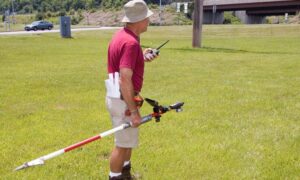
First, the surveyor studies the title documents. They map out all recorded easements. Then they visit the site and collect detailed field data.
During the site visit, the surveyor looks at:
- Driveways and access points
- Utility poles and meters
- Drainage structures
- Fences and use lines
- Pavement edges and building locations
Next, they compare the field findings with the recorded easements.
If a driveway appears in use but no easement supports it, the survey shows that gap. If utilities sit outside the recorded area, the conflict becomes clear. If pavement crosses the boundary, the survey marks it.
Because of this process, buyers can see both what the documents say and what the land shows.
Why This Issue Shows Up in Growing Areas Like Nampa
Nampa continues to grow. Business parks expand. Old farmland turns into commercial property. Developers combine smaller parcels into larger sites.
With growth comes history.
Older roads, utilities, and drainage systems may stay in place even after ownership changes. A drive built years ago might now serve several parcels. Utilities installed long ago may not match today’s boundary lines.
Sometimes land gets divided, but the easements do not get updated properly.
In slower markets, these issues can stay hidden. In fast-growing areas, buyers often discover them during due diligence.
That makes early review very important.
What Happens If a Conflict Is Found Before Closing
Finding a physical easement problem before closing gives you choices.
You can ask the seller to record a formal access easement. You can adjust the purchase price. You can request updated utility documents. In some cases, you may change the deal terms.
After closing, your options become limited.
Because of that, timing matters. Ordering an ALTA title survey early in due diligence gives you room to fix problems before money moves.
Why a Simple Boundary Survey May Not Be Enough
A boundary survey shows property lines clearly. It marks corners and measurements. That is helpful.
However, it may not connect the title commitment and recorded easements in the same detailed way.
Commercial deals often involve lenders and shared infrastructure. An ALTA title survey brings the legal documents and physical site details together in one clear map.
For properties with shared drives, utilities, or recent land splits, that broader review reduces surprises.
Clarity Before You Commit
Commercial property costs serious money. Access, parking, and utilities determine how the site works.
A clean title report does not always mean full control. Assumptions can lead to future problems.
An ALTA title survey helps close the gap between paperwork and the real site. It shows where legal rights and physical use match—and where they do not.
If you plan to buy commercial property, review these issues during due diligence instead of after closing.
Clear information leads to confident decisions.