Lately, property title worries have started popping up in the news again. You may have seen stories about recording alerts, ownership flags, or surprise filings that caught buyers off guard. Because of that, more people now ask the same question before closing: what actually protects me when I buy property? At first glance, the answer seems simple. People assume title tools all do the same job. However, that’s where confusion starts. Title alerts, title insurance, and surveys each protect you in very different ways. When buyers mix them up, they often feel safe — right up until a closing delay appears. That’s exactly why an ALTA land title survey matters. It focuses on what exists on the ground, not just what shows up in a database. More importantly, it reveals risks that don’t show up in alerts or headlines but still affect your deal.
Why Title Worries Feel Louder Right Now
News cycles move fast. When a few title-related stories trend, they spread quickly across social feeds and real estate circles. As a result, the topic starts to feel bigger than life. Buyers begin to wonder whether property records stay safe at all.
However, most real-world closing problems don’t come from dramatic title theft stories. Instead, they come from simple land issues that no one verified early enough. These problems don’t sound exciting, yet they stop deals every week.
For instance, a recorded easement may cross a parking area. A shared driveway may lack proper documentation. A building corner may sit over a boundary line by a small amount. None of these situations create viral posts — but they absolutely create closing stress.
So while alerts raise awareness, they don’t inspect land conditions. That gap matters more than most buyers realize.
The Difference Between Watching Records and Verifying Land
Many buyers feel reassured when they sign up for property recording alerts. That makes sense. Alerts tell you when someone files a document tied to your parcel. Still, alerts only watch activity — they don’t judge accuracy.
Meanwhile, title insurance works after the fact. It helps cover certain losses if a covered defect appears later. That protection matters, of course. Yet it doesn’t confirm whether buildings, access routes, or boundaries line up correctly before closing.
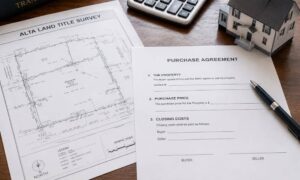
An ALTA land title survey plays a different role. Instead of watching filings or sharing risk, it verifies how legal records match physical reality. Surveyors study the title commitment, then measure the site itself. After that, they map how the recorded rights and the real-world features fit together.
Because of this, the survey answers questions that monitoring tools simply can’t.
Where Deals Actually Get Into Trouble
Buyers often expect big risks to look obvious. In practice, small details cause more trouble than dramatic ones. A property can look perfectly normal and still carry hidden transaction risk.
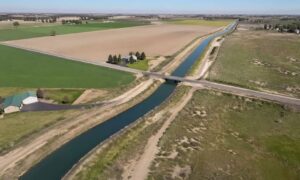
For example, imagine a commercial lot with a wide entrance drive everyone uses daily. It looks permanent. It feels obvious. However, the recorded access right never got filed correctly years ago. Your lender spots the gap during review. Suddenly, the loan pauses while attorneys sort it out.
In another case, a fence line may drift a few feet over time. Nobody notices during normal use. Still, a survey reveals the shift. Now the title team needs clarification before they insure the boundary.
Situations like these don’t involve fraud. Instead, they involve mismatches between use and record. Even so, they delay closings just the same.
What an ALTA Land Title Survey Actually Brings to the Table
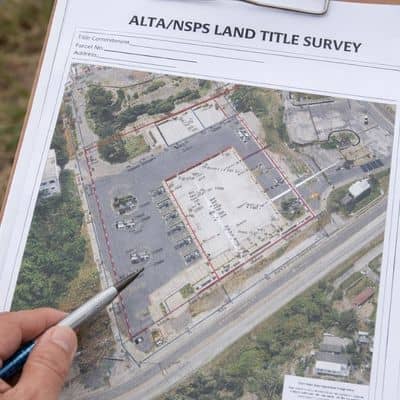
An ALTA land title survey creates a bridge between paperwork and pavement. It shows how the legal description, recorded easements, and visible improvements relate to each other on one certified map.
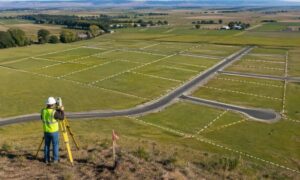
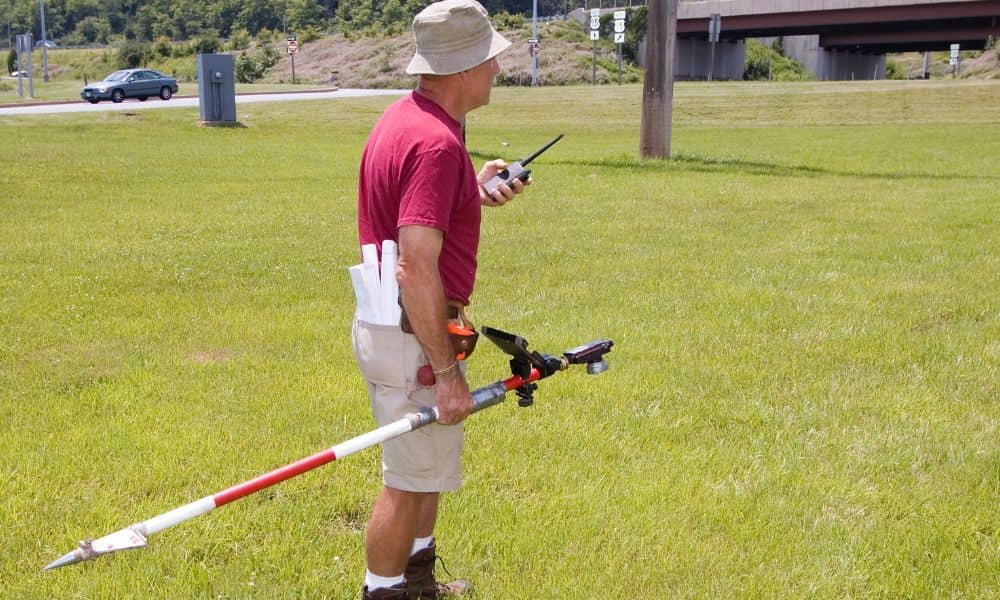
Surveyors don’t just draw lines. They measure corners, locate buildings, note access points, and plot recorded rights that can be mapped. Then they compare all of that against the title documents tied to the deal.
As a result, everyone reviews the same visual truth. The lender sees how improvements sit within boundaries. The title company sees how recorded easements affect use. The buyer sees how occupation matches description.
Instead of relying on assumptions, the deal runs on a verified layout.
Why Lenders Still Require ALTA Surveys in a Digital World
Today’s real estate world runs on data. Still, lenders don’t fund loans based on screen images alone. They need site-level certainty. That’s especially true for commercial and development property.
A database can show parcel outlines. However, it can’t confirm whether a building crosses a line or whether an access route sits inside a recorded easement. Only field measurement can do that.
Therefore, lenders continue to rely on ALTA land title surveys. The survey reduces uncertainty at the exact point where money moves. When uncertainty drops, approvals move faster. When uncertainty rises, files stall.
So even with modern tools, field verification still wins.
Why This Matters More in Fast-Growth Areas
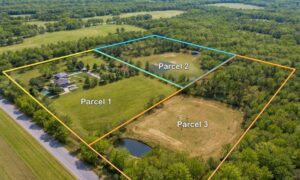
Growing markets create extra complexity. Land changes use quickly. Old parcels get divided, combined, or redeveloped. Meanwhile, older records don’t always match new layouts cleanly.
Because of that, assumptions fail more often in growth zones. A tract that worked as farmland may now support retail plans. A shared drive that felt informal may now need formal access rights. A structure built years ago may not sit where today’s buyer expects.
An ALTA land title survey helps reset the facts before financing locks in. It gives every party a shared, current picture instead of relying on layered assumptions.
Clarity Closes Deals — Not Headlines
Title scares will continue to cycle through the news. Alerts will continue to grow in popularity. Both trends make sense. Still, transactions close on verified land facts, not trending stories.
An ALTA land title survey protects what alerts and insurance cannot — the physical relationship between records and reality. It brings clarity to boundaries, access, and improvements before funds move.
In the end, buyers don’t need louder warnings. They need clearer verification. And when verification comes first, closings feel far less scary.