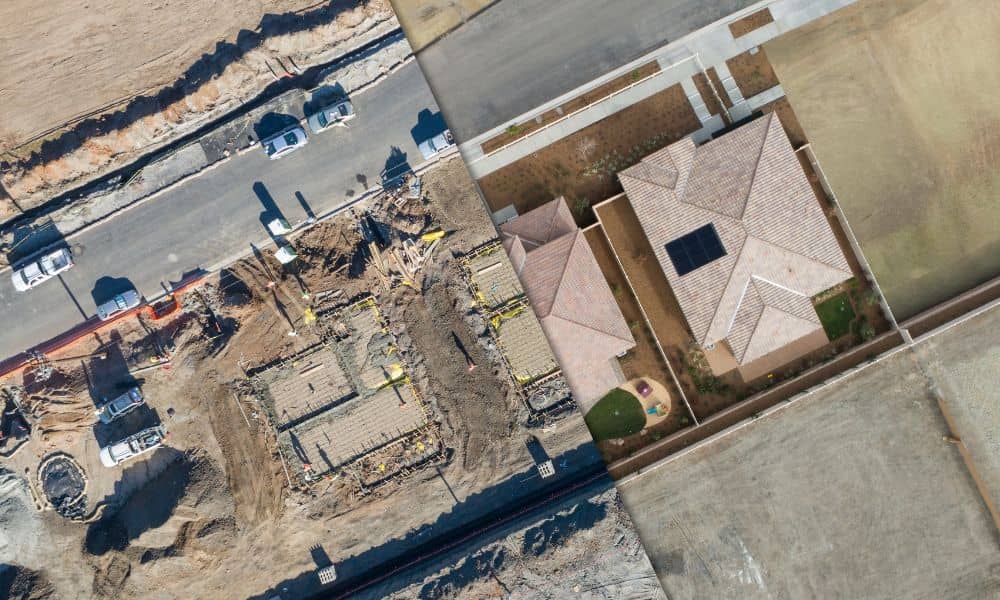
Meridian is changing fast. Drive down Eagle Road or through the newer commercial corridors and you will see it for yourself. New offices rise. Retail centers expand. Industrial buildings fill in open land that once held crops or pasture. Because of this growth, commercial real estate deals move quicker than they did just a few years ago. Investors compete harder. Sellers expect tight timelines. Lenders review files with more care. In the middle of all this activity, one document now plays a bigger role than ever: the ALTA land survey.
This shift is not about fear or hype. It is about timing, coordination, and keeping deals on track in a fast-moving market.
Growth Changes the Pace of Commercial Closings
When a city grows at a steady rate, transactions feel manageable. Surveyors schedule projects with breathing room. Escrow periods allow space for review. Developers rarely worry about bottlenecks.
However, Meridian no longer operates at a slow pace.
As more commercial projects break ground, more properties enter escrow at the same time. Because of this, lenders process higher volumes. Title companies issue more commitments. Survey firms receive more requests for detailed work.
The result? Everything compresses.
A 30-day closing now feels tight. A minor delay can push back financing approval. Therefore, every part of the transaction must align from the start. The ALTA land survey, in particular, now carries more weight than before.
Why the ALTA Land Survey Matters More in a Growing City
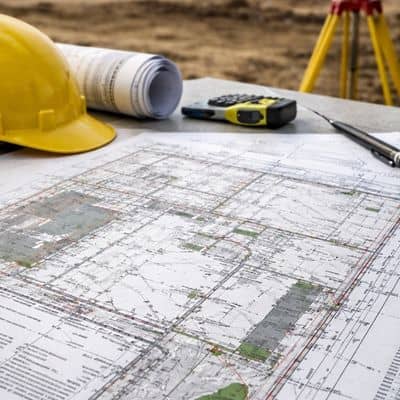
An ALTA land survey supports commercial transactions by combining field measurements with title information. It gives buyers, lenders, and insurers a clear view of the property’s boundaries and site conditions.
In a slower market, some parties treated the survey as a later step. Today, that approach creates risk to the timeline.
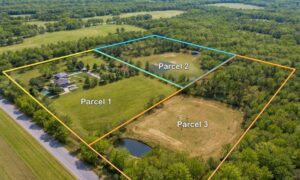
Meridian’s development pattern has shifted. Large tracts split into smaller parcels. Former farmland now supports shopping centers. Industrial buildings share access drives and utility corridors. Because land use intensifies, documentation must stay accurate and current.
Lenders often require an ALTA land survey before final approval. Title companies rely on it to issue coverage. Investors use it to confirm what they purchase. Therefore, the survey has become central to closing strategy, not just a technical formality.
The Scheduling Pressure Few Developers Expect
Here is where many deals run into trouble.
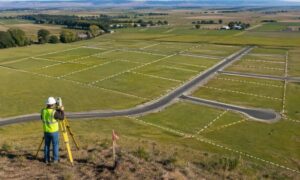
Survey firms work on real-world schedules. Field crews visit the site. Office teams process measurements. Professionals match data with title commitments. That work takes time and coordination.
Now, add Meridian’s commercial surge to the equation.
Because more buyers request surveys at the same time, availability tightens. If a developer waits until escrow begins to contact a surveyor, the calendar may already look full. As a result, the closing timeline can feel squeezed from the start.
This is not about poor planning. It is about supply and demand. When growth accelerates, professional services feel the impact too.
Therefore, early coordination makes a major difference.
Timing Now Impacts Negotiation Power
In a competitive market, leverage matters. Buyers want certainty. Sellers want firm deadlines. Lenders want complete documentation.
If the ALTA land survey runs behind schedule, leverage shifts quickly.
For example, a buyer might request an escrow extension. A seller may ask for additional earnest money. Meanwhile, lenders might warn that rate locks will expire soon. Even small timing issues can cause tension.
On the other hand, developers who start the survey process early maintain control. They set expectations. They reduce stress during underwriting. Most importantly, they show all parties that the deal has structure and foresight.
In Meridian’s current climate, preparation protects more than paperwork. It protects position.
Commercial Parcels Are Not as Simple as They Used to Be
Growth does not only increase volume. It also changes how land functions.
Many new commercial sites involve shared driveways, phased development plans, or multi-tenant layouts. Infrastructure expands alongside private projects. Utility lines extend across property lines. Access points connect to public improvements.
Because of this complexity, accurate documentation becomes even more important. The ALTA land survey helps align real-world conditions with recorded documents. It ensures that lenders and insurers evaluate the correct footprint of the property.
As Meridian continues to evolve, parcels rarely stand alone. They often sit within larger development patterns. Therefore, clarity at the survey stage supports long-term success.
Smart Developers Adjust Their Strategy
Experienced investors have already adapted to Meridian’s faster pace.
Instead of waiting until the last minute, they speak with a licensed land surveyor early in negotiations. They confirm availability before finalizing purchase timelines. They coordinate with title officers as soon as commitments arrive.
This approach creates smoother transactions.
By planning ahead, developers avoid rushed fieldwork or compressed review periods. They reduce the chance of last-week stress. They also build confidence with lenders, who appreciate organized files and timely submissions.
In short, they treat the ALTA land survey as a starting point, not an afterthought.
Meridian’s Momentum Is Not Slowing Down
All signs suggest that Meridian will continue expanding. Commercial corridors grow outward. Industrial projects support regional demand. Mixed-use centers attract both residents and businesses.
Because growth remains strong, demand for professional services will likely stay high. Survey schedules may remain tight. Closing windows may remain short.
Therefore, understanding how the ALTA land survey fits into the bigger picture becomes essential.
The Takeaway for Commercial Buyers and Developers
Meridian’s commercial surge creates real opportunity. However, opportunity moves quickly.
An ALTA land survey now plays a strategic role in keeping transactions on track. It supports financing. It anchors the title review. It aligns documentation with on-the-ground conditions. Most importantly, it protects the timeline in a market that rewards speed.
If you plan to buy, finance, or develop commercial property, think ahead. Coordinate early. Align your survey schedule with your closing goals.
In a city that grows this fast, timing often determines success. And in many cases, that timing begins with the right ALTA land survey.