
When a video of a homeowner tearing down his brand-new $40,000 solar pergola went viral, people reacted fast. Some blamed the city. Others blamed the contractor. But the real issue was simple: no one checked the land rules before the build. A basic alta survey could have protected the homeowner from losing thousands of dollars, weeks of work, and a backyard project he loved.
Stories like this hit hard because they can happen to anyone. Many homeowners believe that if a contractor says “It fits,” then the project is safe. However, property rules don’t work that way. Cities care about setbacks, easements, and access points, not just the physical size of the structure. When these rules get ignored, a project can disappear overnight—just like that pergola.
The Real Problem Behind the Viral Teardown
The homeowner didn’t get in trouble because the pergola looked bad. It wasn’t unsafe, either. The problem was the location. When a neighbor complained, city staff inspected the site. They found the pergola sitting inside a restricted area. It crossed a setback line and likely sat on top of a utility easement. Because of that, the city had the right to order its removal.
A setback is the required space between a structure and the property line. Different cities have different rules. Some require 5 feet of space, while others demand much more. These rules protect safety, fire access, drainage, and property rights. If your project crosses that invisible line, the city steps in quickly.
Easements add another layer. They give utility companies or the city the right to access part of your land, even though you own it. Many easements sit in backyards. You might not see anything above ground, but underground lines, pipes, or drainage systems can still run through your property. When you build on top of them, you create a conflict. That conflict can lead to fines or a teardown notice.
In this case, both issues appeared at once. And since no one checked the survey information first, the homeowner built a structure that never should have been there.
How an ALTA Survey Would Have Prevented the Loss

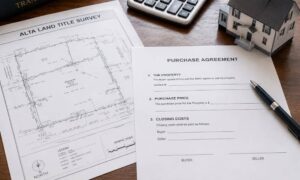
A lot of people think alta surveys are only for big commercial deals. But that is one of the biggest myths in real estate. An alta survey helps anyone who wants to understand exactly what they can do with their land—especially before spending serious money.
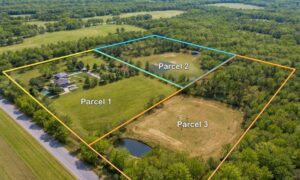
An alta survey would have helped the pergola owner in several important ways. First, it shows the buildable area clearly. The map outlines all setback lines so homeowners know the safe zones for projects like pergolas, sheds, RV covers, or backyard studios. If the homeowner had seen those lines, he would have known the pergola needed to sit farther from the boundary.
Next, an alta survey marks every easement with precision. If a drainage swale, sewer line, or access path crosses the yard, the survey shows it. Most easements don’t allow structures on top because crews must reach those areas in an emergency. A pergola built over one is almost guaranteed to face removal.
Finally, an alta survey ties the land to official records. Surveyors match what they see on the ground with documents from the county. If something doesn’t match, the survey uncovers the problem. That’s the kind of clarity homeowners need before placing anything permanent on their lot.
With this information, the homeowner could have changed the design, moved the pergola, or avoided the project entirely. Instead, he built blind—and paid for it.
Why This Can Happen to Anyone
Although this story went viral, it’s more common than you might think. In fast-growing areas, more homeowners are adding backyard upgrades. Solar pergolas, outdoor kitchens, RV shelters, hot tub decks, and home studios appear everywhere. Contractors often focus on building, not legal limits. Homeowners assume someone checked the rules.
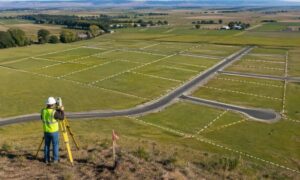
Yet many issues only appear when a surveyor reviews the land. A fence line may not sit on the true property line. A utility line can run at an angle across the yard. A drainage path could be hidden in plain sight. When surveyors perform certified land title survey work, they spot these problems early and help homeowners avoid building in the wrong place.
Even small errors can trigger big consequences. People often discover problems only after a complaint or inspection. At that point, it’s too late. You can’t argue against a setback or an easement that’s already in the records. The only option is to remove or move the structure—no matter how much it costs.
Why Homeowners Should Pay Extra Attention
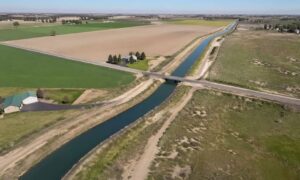
Idaho Falls has its own land challenges. Many lots include older easements for utilities, irrigation laterals, or drainage routes. Some subdivisions have shared access easements. Others sit close to the river, which triggers stricter setback or elevation rules. Even properties that look straightforward on the surface can hide complicated land limits.
That means a simple backyard project can turn into a serious problem if it lands in the wrong spot. A carport built over a utility easement may be removed during the next repair cycle. A backyard studio placed inside a drainage easement could block water flow. Even a pergola built too close to a neighbor’s line can lead to survey disputes and removal orders.
These issues aren’t rare—they’re normal. But homeowners only learn about them when they ask the right questions and get the right survey.
How to Avoid Becoming the Next Viral Story
You don’t need to fear building on your property. You just need the right information at the right time. Talking to a licensed surveyor before starting a major project is the smartest move. Ask about your setbacks. Ask about easements. Ask whether an alta survey is the best way to confirm your buildable area.
Do not rely on old fence lines or verbal advice. Fences are often wrong, and contractors may not know your land’s legal restrictions. Always trust the survey, not assumptions.
When you take these steps, you protect your investment and avoid painful surprises.
Final Thoughts
The viral pergola teardown wasn’t just an online moment. It was a warning. A simple alta survey would have shown the homeowner exactly where he could build—and where he couldn’t. Instead, he spent $40,000 on a structure that never had a legal place to stand.
Homeowners love improving their space, and they should. But the ground beneath your feet holds rules that can either protect or destroy your project. Before you add anything big, take time to understand your land. A few inches can be the difference between a dream project and a demolition.
If you’re planning a backyard upgrade, don’t skip the survey. An alta survey costs far less than rebuilding your entire structure. It’s the smartest move you can make to protect your home, your money, and your peace of mind.