When you hear about invasive species in the news, you might not think of land surveying right away. But the recent return of quagga mussels to the Snake River is a story that could affect your property plans. If you’re planning to buy or develop land near the river, you’ll likely need an ALTA Land Title Survey. These surveys don’t just mark boundaries. They also reveal issues that might impact your investment, including environmental conditions like the ones Idaho officials are dealing with right now.
Quagga Mussels: Small Creatures, Big Problems
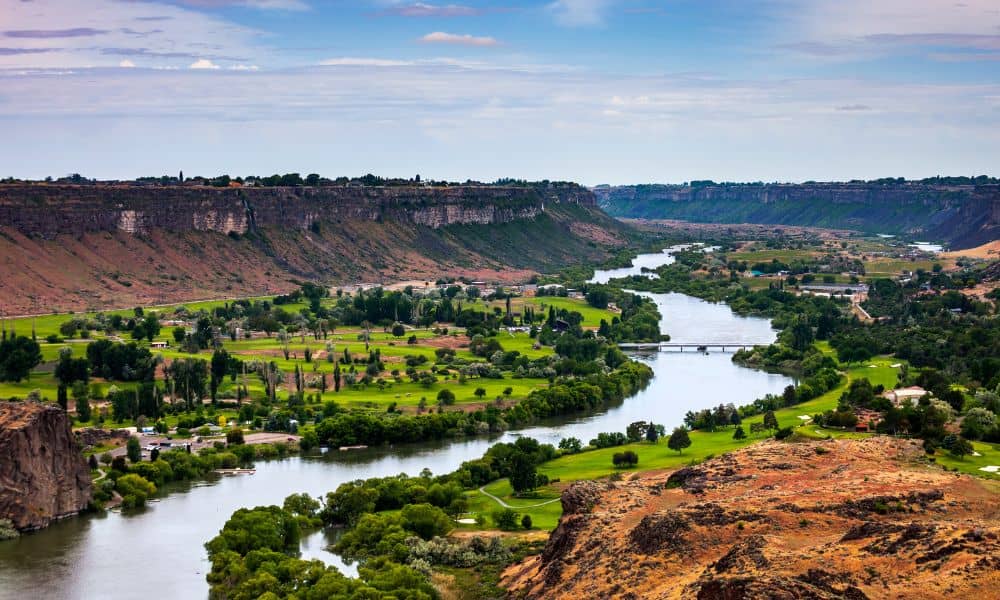
Idaho confirmed new quagga mussel larvae, called veligers, in the Snake River near Twin Falls. At first glance, this might sound like last year’s problem returning. But there’s a difference: the footprint is smaller than it was in 2024. Last year, the infestation stretched across more than seven miles of river. This fall, it’s down to about three and a half miles. That’s progress, but it doesn’t mean the threat is gone.
The Idaho State Department of Agriculture and local agencies plan more copper treatments to stop the spread. These treatments are necessary, but they also change the way people use the river. Access points can close, decontamination stations can slow boat traffic, and shoreline activity may be restricted. For survey crews working in the field, those changes can throw off timelines and increase costs.
Why This Matters for Property Owners
If you’re a property owner, a developer, or even a lender with interests along the Snake River, this isn’t just an ecological story. It’s a real estate story. An ALTA Land Title Survey is designed to give you a complete picture of a property’s risks and restrictions. When the state introduces treatments, or when river access becomes limited, those details often show up in the survey results. They can affect legal descriptions, utility access, and even future land use.
Think about it this way: if you buy riverfront land without knowing about upcoming restrictions, you may be stuck with costly surprises. A survey that notes these conditions upfront can save you from headaches down the road.
How Surveyors Deal With Environmental Treatments
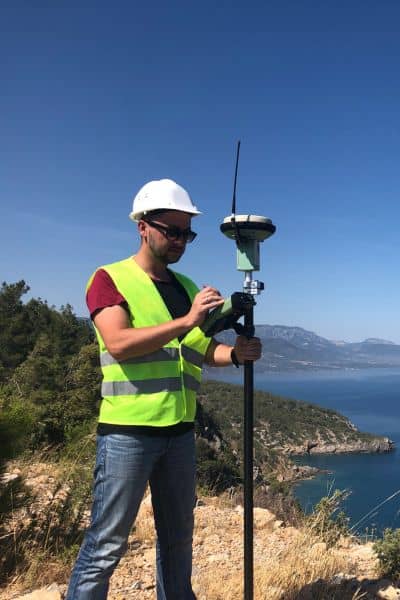
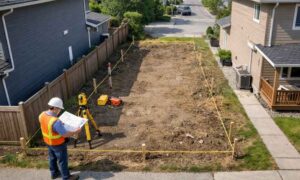
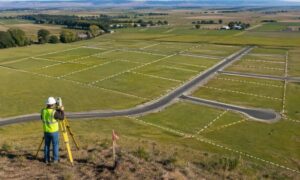
Surveying in an area affected by invasive species treatments is different from a standard job. Crews have to plan around treatment schedules, coordinate with state agencies, and prepare for extra safety steps. For example, when copper is introduced into the water, surveyors must manage turbidity issues that affect hydrographic data. They also need protective equipment and decontamination routines to avoid spreading larvae to other water bodies.
For property owners, this means surveys might take longer than usual. It also means the report you receive could include special notes about river conditions, restricted areas, or future monitoring requirements. These notes don’t just sit in a file—they can influence lender decisions, insurance policies, and construction approvals.
The Connection to ALTA Land Title Surveys
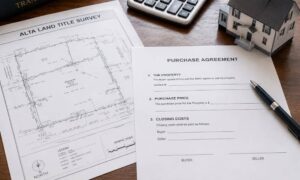
What makes an ALTA Land Title Survey different from a basic boundary survey is the level of detail. It’s not only about lines on a map. It’s about revealing everything that could affect the value and use of the property. That includes easements, utilities, flood risks, and yes, environmental hazards.
With the quagga mussel treatments underway, surveyors may include notations about shoreline closures, decontamination zones, or even access delays. If your property touches the Snake River, those details can shape your timeline for closing a deal or starting a project. By documenting these factors, surveyors help you and your lender make informed choices.
Real-World Impacts You Should Expect
Let’s say you’re buying a parcel with Snake River frontage. Without the right survey, you might assume you’ll have full access for docks, irrigation, or recreation. But if the survey shows restricted access points due to quagga treatments, your plans may need adjusting. Or imagine you’re financing a development project. The lender will rely on the ALTA survey to understand risks. Environmental notes may lead them to adjust loan terms or request further inspections.
These aren’t just “what if” scenarios. They are real considerations happening right now in Idaho as the state fights invasive mussels. Knowing them ahead of time gives you leverage, clarity, and confidence in your investment.
What Property Owners Can Do Now
The first step is simple: don’t wait. If you’re considering a purchase or development near the Snake River, order your ALTA Land Title Survey early. Timing is everything when river access can change week by week. Surveyors need lead time to plan around treatment schedules and coordinate with agencies. Starting early helps you avoid delays that could ripple through your entire project.
Second, talk to your surveyor about environmental factors. Ask if they’ve accounted for the quagga treatments. A good surveyor will explain how these conditions are noted in your survey and what that means for your property. Finally, use the survey as more than a document for closing. Use it as a planning tool. It can help you negotiate with lenders, coordinate with contractors, and set realistic timelines.
Looking Ahead
The fight against quagga mussels in Idaho is ongoing. The smaller footprint this year is good news, but it doesn’t erase the need for caution. More treatments are coming, and with them, more potential disruptions. For property owners and developers, staying ahead means paying attention not just to ecological headlines but also to how they ripple into surveying and real estate.
An ALTA Land Title Survey bridges that gap. It takes the latest environmental conditions and ties them directly to your property records, helping you make decisions with eyes wide open.
Conclusion:
The return of quagga mussels may seem like a water management problem, but it’s much more than that. It’s a property risk, a surveying challenge, and a factor that could shape your next big investment. By ordering an ALTA Land Title Survey and working with professionals who understand the local landscape, you can navigate these challenges with confidence. Don’t let an invasive species—or the treatments used to fight it—catch you by surprise.